
Silage covers, also known as a silage protection net, is used in agriculture to cover and protect silage bales or pits from external elements like wind, birds, animals, and UV exposure. It is typically placed over plastic silage films to provide an additional layer of protection, ensuring that the silage remains in optimal condition for feeding livestock. By using a silage cover, farmers can reduce spoilage, improve silage quality, and increase its lifespan.Silage covers are essential for preserving the nutritional quality of silage, helping to reduce spoilage and wastage, and maintaining feed availability for livestock.
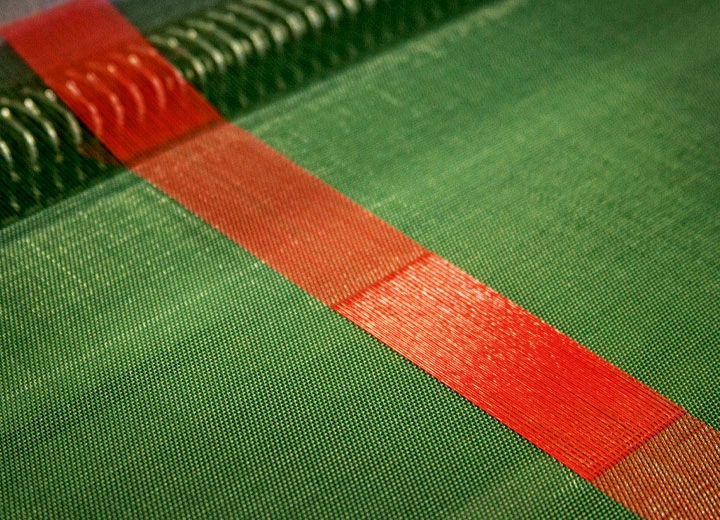
Applications of Silage Net
- Material: Made from high-density polyethylene (HDPE) with UV stabilization for long-term protection against sun damage.
- Protection: Shields silage from damage caused by birds, rodents, and other animals, as well as mechanical damage like tearing of the plastic film.
- Wind Resistance: Provides stability by holding down the silage cover in windy conditions, reducing the risk of the cover being displaced.
- Durability: Tear-resistant, UV-resistant, and weatherproof, designed to withstand extreme weather conditions such as rain, snow, and sun.
- Weight: Typically lightweight but strong enough to be handled easily while offering sufficient coverage and protection.
- Customization: Available in various sizes and lengths to accommodate different sizes of silage pits and bales.
- Reusability: Designed for multi-season use, reducing the need for frequent replacement, which helps lower long-term costs.
- Material: HDPE Fabric
- UV Stabilised: Yes
- Color: Green, Black, or as per customer requirements
- GSM: Different GSM constructions available as per customer requirements
- Roll Length: Generally 100 m to 1000 m, or customizable as per requirement
- Roll Width: Up to 5 m without joints, or wider with joints
- Packing: Available in Master/Jumbo Rolls, Mini/Finished Rolls, Palletised Rolls, Carton Packed Rolls, Carton Boxed Rolls, or any other custom packing as per requirement
Key Features of Silage Net
-
Material :
Made from high-density polyethylene (HDPE) with UV stabilization for long-term protection against sun damage. -
Protection :
Shields silage from damage caused by birds, rodents, and other animals, as well as mechanical damage like tearing of the plastic film. -
Wind Resistance :
Provides stability by holding down the silage cover in windy conditions, reducing the risk of the cover being displaced. -
Durability :
Tear-resistant, UV-resistant, and weatherproof, designed to withstand extreme weather conditions such as rain, snow, and sun. -
Weight :
Typically lightweight but strong enough to be handled easily while offering sufficient coverage and protection. -
Customization :
Available in various sizes and lengths to accommodate different sizes of silage pits and bales. -
Reusability :
Designed for multi-season use, reducing the need for frequent replacement, which helps lower long-term costs.
Technical Specifications
- Material - HDPE fabric
- UV Stabilised - Yes
- Color - Green, Black or as per customer requirements
- GSM - Different GSM construction as per Customer requirements.
- Roll length - Generally 100 m to 1000 m or can be customized as per requirement
- Roll Width - up to 5 m without joints or wider with joints
- Packing - Available in Master/Jumbo Rolls, Mini/Finished Rolls, Palletised Rolls, Carton Packed Rolls and Carton Boxed or any other custom packing as per requirement.
Applications
Forage Storage
Used to cover silage bunkers, piles, and pits, protecting stored forage from air, moisture, and external contaminants.
Dairy Farms
Helps preserve the nutritional value of feed for dairy cattle by reducing spoilage and fermentation losses.
Livestock Feed Management
Ensures long-term storage of silage for cattle, sheep, and other livestock while maintaining feed quality and consistency.
Agricultural Cooperatives & Feed Producers
Used for large-scale silage storage operations to minimize dry matter losses and improve feed efficiency.
Biomass & Fermented Crop Storage
Suitable for covering maize, grass, alfalfa, and other fermented crops, helping maintain optimal anaerobic conditions during storage.